
Quality Habitat
The size, arrangement, and condition of the Estuary’s habitats—from forested stream banks to underwater eelgrass beds—are critical to supporting wildlife and recreation.
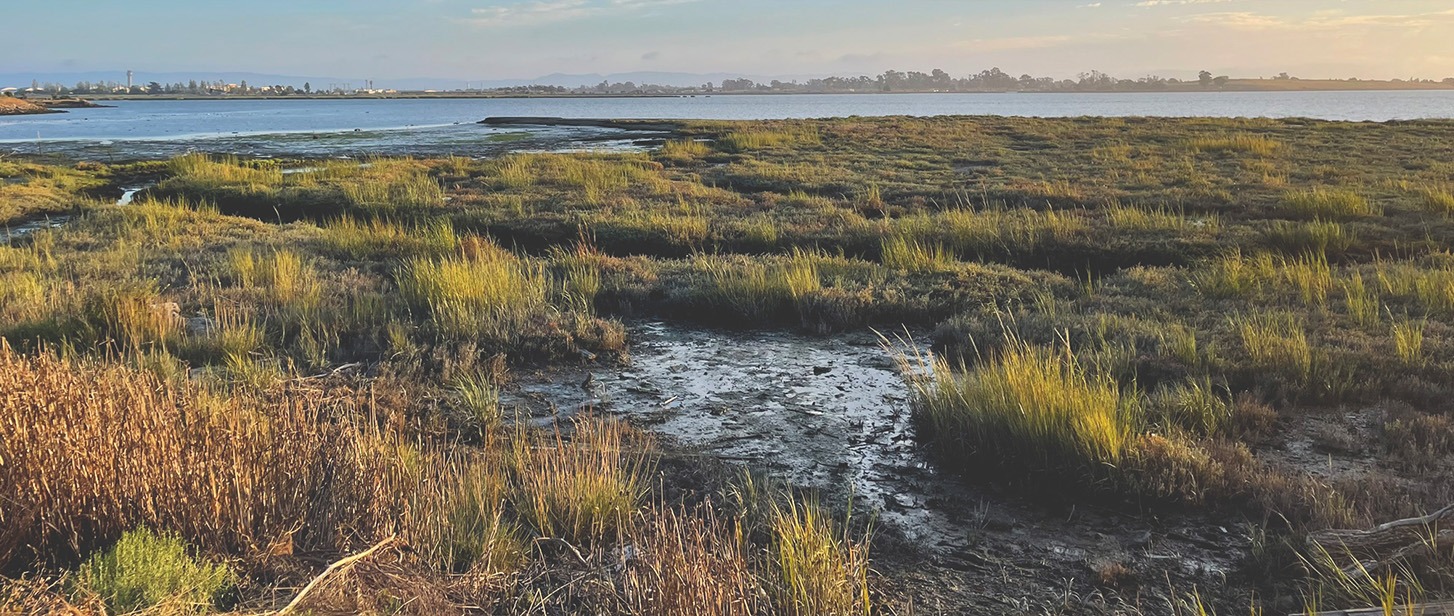

Damon Marsh from Martin Luther King Shoreline in Oakland. Ellen Plane, San Francisco Estuary Institute.
High-Quality Habitat Feeds, Protects, and Enriches Wildlife and People

Marshes, forests, eelgrass beds, and other habitats are essential for estuary health. They support endangered wildlife and protect communities from flooding and other hazards. Large, continuous habitats support more species and enable wildlife to more easily move through the landscape in search of breeding areas, seasonal shelter, and food. Conserving and expanding these habitats is critical for connecting wildlife communities and providing treasured recreational spaces for hiking, fishing, swimming, and boating.
When habitat quality is preserved and enhanced, it not only benefits wildlife but also creates more enjoyable, accessible, and memorable encounters for people.
Indicators
Quality Habitat


Eelgrass
Tracks the area of the most common type of native underwater plant in the San Francisco Bay (Under development)

Open Water Habitat
Measures the net downstream flows through the Delta and the presence of low-salinity habitat in Suisun and San Pablo Bays
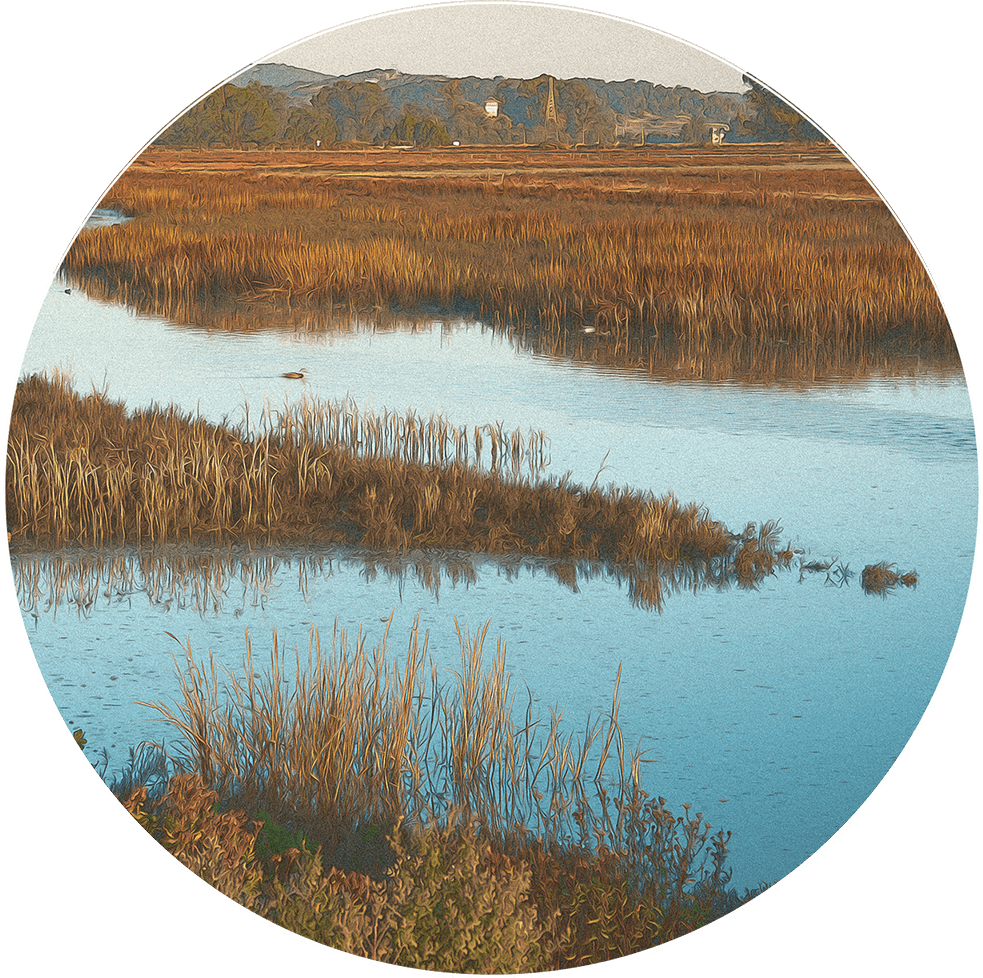
Tidal Marsh
Measures the extent of tidal marsh, including tidal marsh restoration projects, in the Estuary
Woody Riparian
Measures changes in the area and width of woody streamside vegetation in the Sacramento-San Joaquin Delta (Under development)
Habitat Protection and Restoration Support a Healthy Future for All
Maintaining the quality of the Estuary’s habitats benefits wildlife and people. Eelgrass beds lessen the impact of waves on the shoreline, and tidal marshes act as crucial buffers against storm surges and king tides. Streamside forests capture and filter rain before it reaches marshes and open water, contributing to cleaner water for swimming and fishing.
The expansion of cities and farms has confined native habitats to scattered patches. Further reductions in habitat could drive declines in iconic wildlife, and Estuary residents could face greater vulnerability to flooding, fewer recreational spaces, and worsening water quality. In addition to protecting habitats, creating or enhancing habitats through restoration can return many benefits to the Estuary. When multiple habitats are restored in a single area, it enriches the range of resources available to wildlife and increases the area’s resilience to threats such as flooding and erosion.