

Safe for Aquatic Life
Assesses concentrations of toxic pollutants in water and fish from the Bay

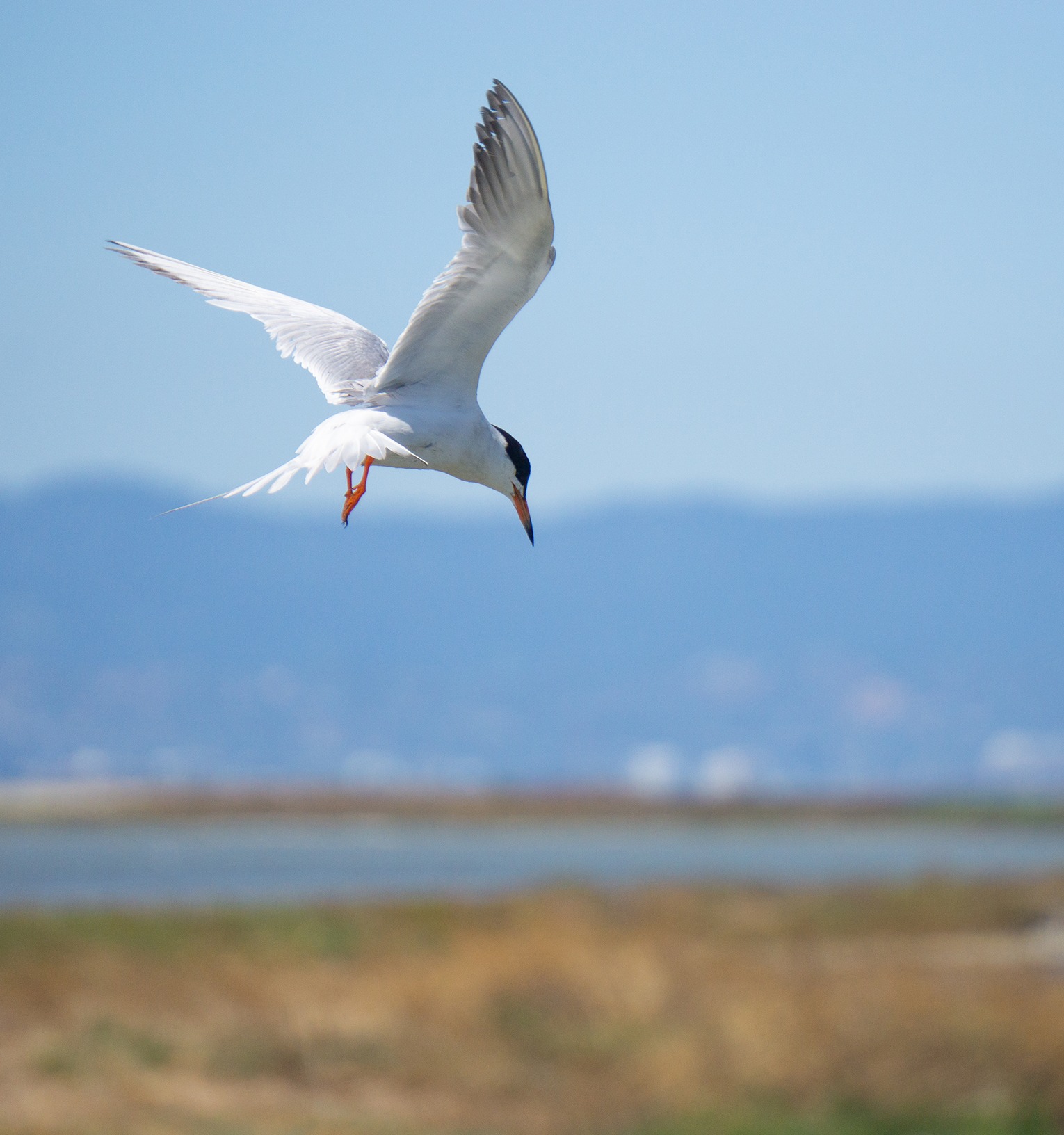
Caspian Tern. Vickie Anderson. CC BY 4.0. Cropped, colored, textured.
Good Water Quality Provides Safe Habitat for Aquatic Life

Safe for Aquatic Life
Status & Trend
Latest Update: October 2025


Many other contaminants are potential threats to aquatic life in the Estuary, but a lack of information on exposure and risk, or a lack of regulatory thresholds, precludes a definitive assessment.
Full read
Safe for Aquatic Life in Depth
A few contaminants, however, are of significant concern due to concentrations that approach or exceed regulatory goals. Specifically, mercury and selenium sometimes exceed their thresholds and are characterized as Fair/Poor in this analysis.
Mercury concentrations in prey fish (e.g., threespine stickleback, topsmelt, yellowfin goby, Mississippi silverside) exceed a water quality objective established to protect the endangered California Least Tern. Other bird species, such as Forster’s Tern, Caspian Tern, Black-necked Stilts, and American Avocets, also face substantial risk. Selenium concentrations in white sturgeon, another protected species, sometimes exceed a threshold established to protect this species. Copper concentrations are just below thresholds, and ensuring they remain there is a priority for water quality managers.
Other contaminants have not been studied thoroughly enough to establish objectives, but are likely to have a negative impact on aquatic life. PFAS (water and stain repellants commonly known as “forever chemicals”) and organophosphate esters (widely used in plastics as additive flame retardants and plasticizers) do not yet have regulatory thresholds, but have a high probability of impact on the Estuary. Many other contaminants of emerging concern have been identified that have a moderate probability of impact, including a highly toxic degradate of a tire additive (6PPDQ), ingredients in plastics (bisphenols), a fungicide and preservative (carbendazim), the pesticides fipronil and imidacloprid, and microplastics. Efforts to evaluate these contaminants and develop appropriate goals are in progress.
Widespread historic contamination of the Estuary and its watershed poses a major challenge to reducing mercury concentrations in the food web. Trends in precipitation have the potential to exacerbate selenium concerns as drought conditions in the watershed are associated with higher food web concentrations. The San Francisco Bay Regional Water Quality Control Board has established Total Maximum Daily Load (TMDL) cleanup plans for mercury and selenium, and the Central Valley Regional Water Quality Control Board has a TMDL for methylmercury. The TMDLs have been in place for approximately 10-15 years and have prompted actions to reduce mercury and selenium inputs to the Estuary.
Regional water quality monitoring programs in the Bay and the Delta are actively evaluating other contaminants that are of known or potential concern. Tens of thousands of chemicals have been registered for production and use worldwide. Determining which of these chemicals pose the greatest threat to the Estuary is a formidable challenge, but one that the Bay and Delta regional monitoring programs are striving to address.
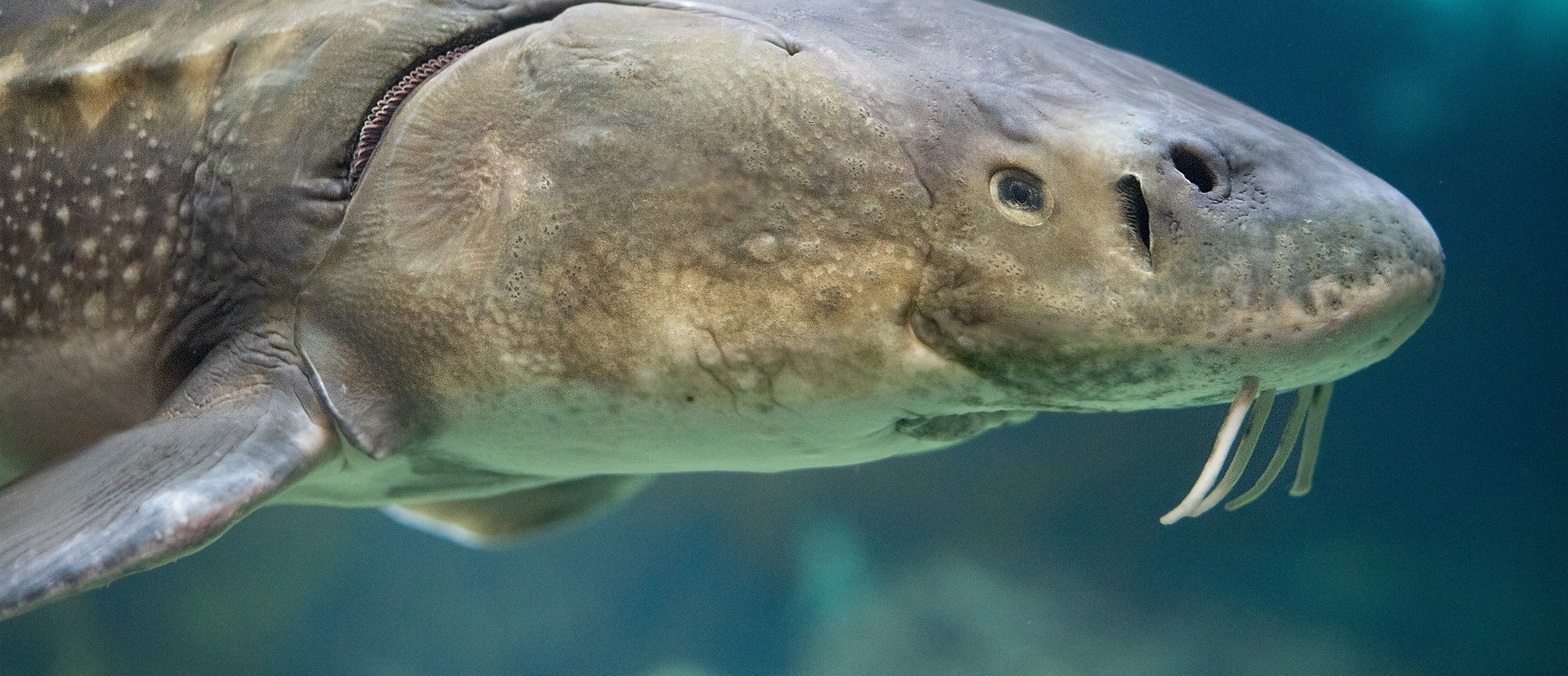
Bottom-dwelling invertebrates, especially clams, accumulate selenium and pass it up the food chain to White Sturgeon. Watts, Flickr (CC BY 2.0).

How was this Indicator Calculated?
Data Used
Mercury samples are from prey fish monitoring related to North Bay wetland restoration projects (Robinson 2014; 2018; unpublished), selenium samples come from white sturgeon monitoring by the Bay Regional Monitoring Program (SFEI 2022), and copper samples are collected as part of water monitoring by the Bay Regional Monitoring Program (SFEI 2024).
Indicator Approach
Concentrations of the key contaminants of concern for aquatic life in the Estuary were compared to specific goals for each of these contaminants that were established by the San Francisco Bay Regional Water Quality Control Board. Contaminants without established goals were also discussed in a qualitative manner.
Benchmarks and Scoring
We combined the scores Fair and Poor into Fair-Poor for this indicator to align with the San Francisco Bay Regional Water Quality Control Board water quality goals, which employ a single threshold between two classes of water quality. Benchmarks between Good and Fair-Poor status scores were determined for each type of contaminant sample:
- The Bay TMDL for mercury established a water quality objective for mercury in prey fish tissue to protect the California Least Tern and other sensitive piscivorous bird species.
- The North Bay TMDL for selenium established a target for selenium in white sturgeon muscle tissue to protect the white sturgeon.
- The San Francisco Bay Water Board established water quality objectives and trigger levels for copper in the Bay. The thresholds vary across the Bay segments – the data and threshold shown are for the Lower South Bay where the concern has been greatest.
We determined the Bay trend score by visually assessing temporal patterns in the three metric status scores across the entirety of their respective time series.
Technical Appendix

Download PDF
Related Indicators
Clean Water Category

Freshwater Flow
Measures the amounts, timing, and variability of fresh water flowing into the Estuary compared to the flows that would have occurred without dams and water diversions

Harmful Algal Blooms
Tracks indirect measures of harmful algae concentrations via measurements such as chlorophyll, toxin, and nutrient concentrations (Under development)
Algae, which are the base of the Estuary food web, are harmed by high concentrations of copper.
Contributing Scientists | Safe for Aquatic Life
Jay Davis, PhD, San Francisco Estuary Institute
Citations
-
SFEI [San Francisco Estuary Institute]. 2022.
Regional Monitoring Program for Water Quality in San Francisco Bay. Contaminant Data Display & Download (CD3). http://sfei.org/rmp -
SFEI [San Francisco Estuary Institute]. 2024.
Regional Monitoring Program for Water Quality in San Francisco Bay. Contaminant Data Display & Download (CD3). http://sfei.org/rmp -
Robinson, A., Slotton, D., Lowe, S., and Davis, J. 2014.
North Bay Mercury Biosentinel Project. Contribution #738. San Francisco Estuary Institute and the Aquatic Science Center. -
Robinson, A., Richey, A., Slotton, D., Collins, J., and Davis, J. 2018.
North Bay Mercury Biosentinel Project 2016–2017. Contribution #868. San Francisco Estuary Institute and the Aquatic Science Center. Richmond, CA.