
Migration Space
Measures the amount of protected and undeveloped uplands where tidal habitats can shift inland as sea levels rise
Migration Space is Critical for Maintaining Resilience as Sea Levels Rise
Last Update: 2015

Migration space occurs in the transition zone between estuarine and terrestrial lands. As sea levels rise, undeveloped space is needed for tidal habitats to move inland, establishing a new shoreline. Extensive areas of migration space signal the Estuary’s ability to sustain resilient natural shorelines needed to protect biodiversity, provide flood control, and maintain water quality.



Waterfowl fly above the marshes of Coyote Hills Regional Park, where restored wetlands and migration space support birds and other wildlife along the Bay’s edge. Joey Kotfika, MTC.
Related Indicators
Resilient Processes Category

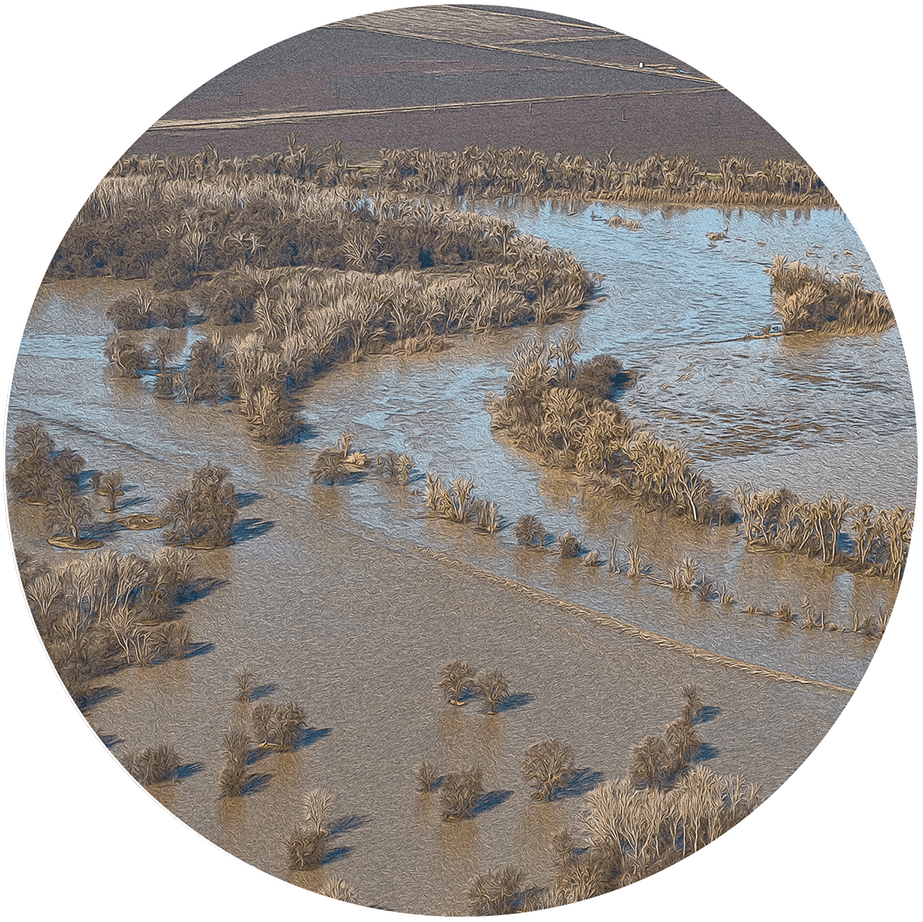
Beneficial Floods
Measures the extent to which freshwater flows create seasonal floodplain habitat upstream of the Delta and low-salinity habitat in the Bay

Sediment
Tracks sediment supply to existing and restored baylands from natural and engineered sources within San Francisco Bay (Under development)

Soft Shores
Measures the type and distribution of land cover along the shoreline, with undeveloped land ranked as softest
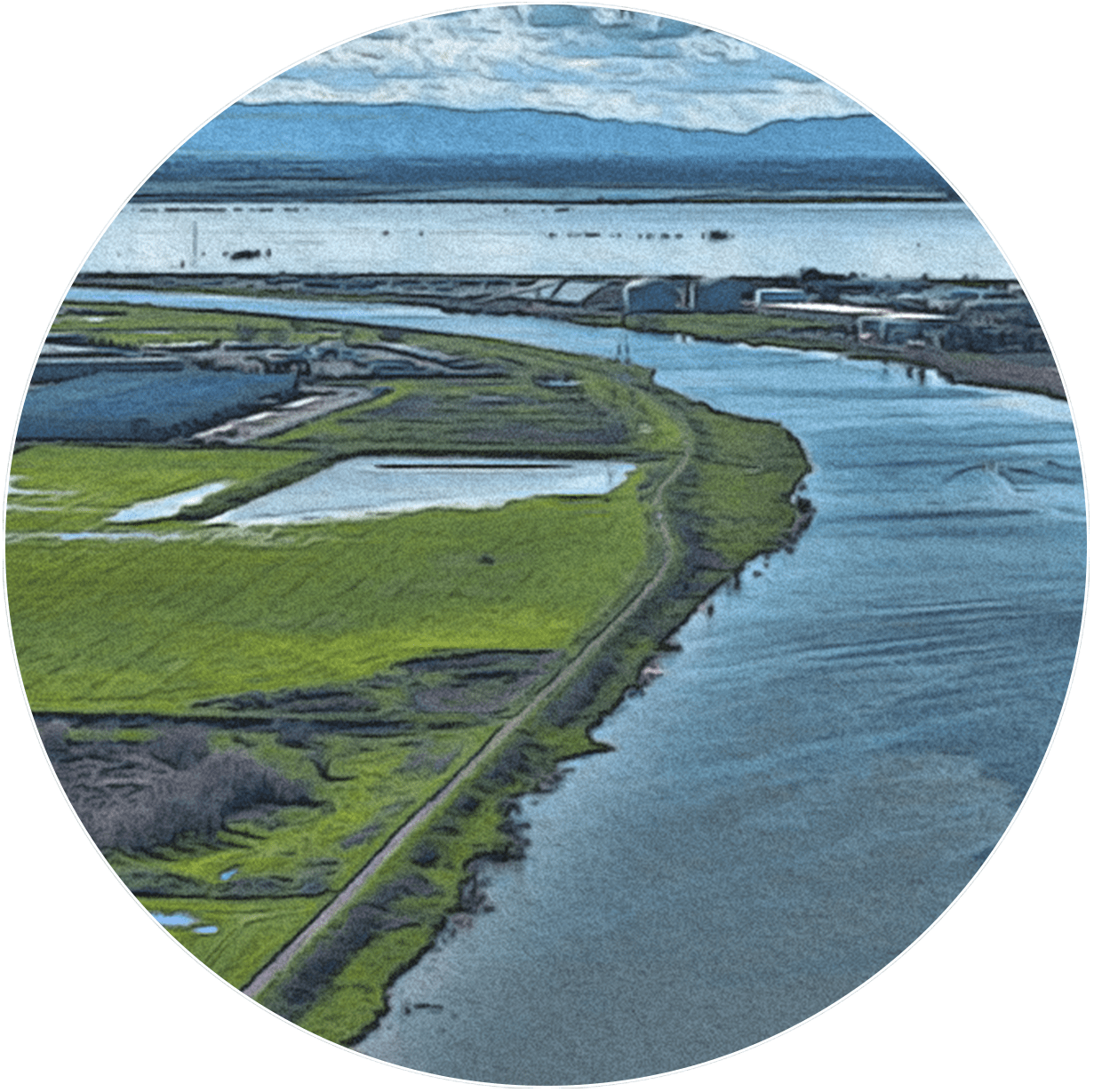
Subsided Lands
Tracks land area in the Estuary that has sunk below historical elevation levels and land management practices that reverse or halt the subsidence process