
Flourishing Wildlife
Wildlife, such as birds, fish, and marine mammals, depend on their native habitats, clean water, and dynamic processes that transport water, energy, and nutrients. Healthy and abundant wildlife are a sign that the ecosystem is functioning well. They are also a point of emotional connection between people and the natural world.
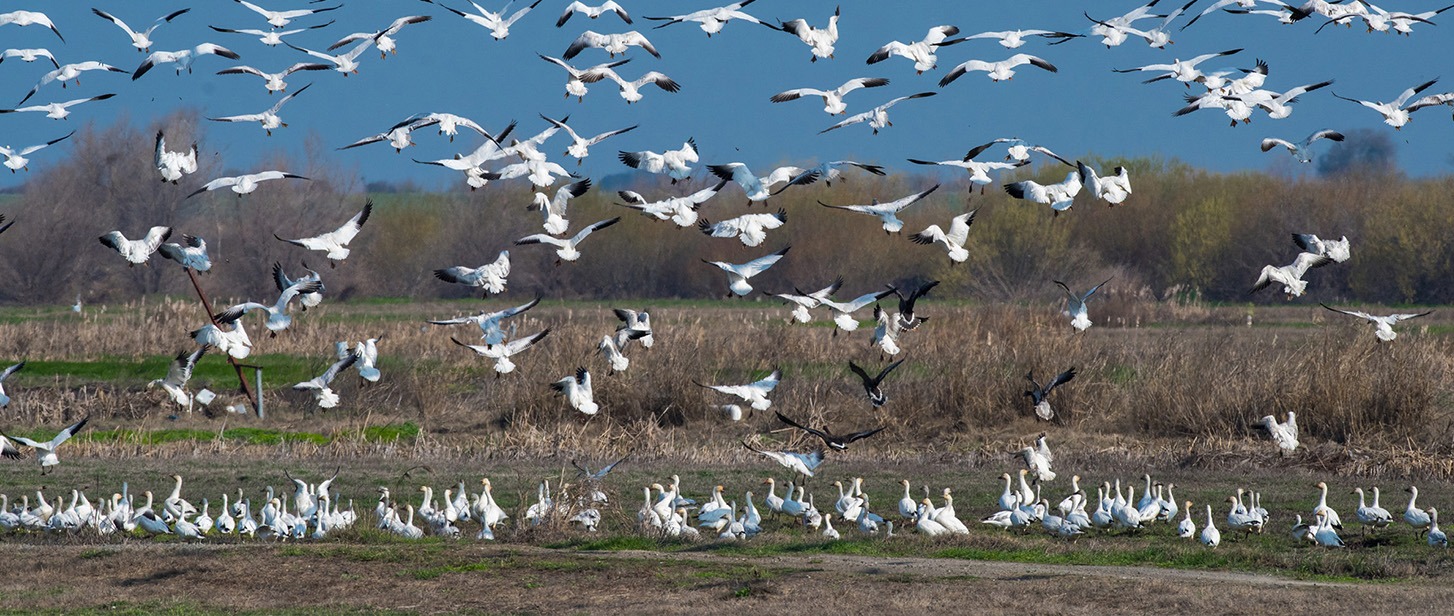

The extensive wetland habitats of the Delta are a critical stopover location for many migratory birds, such as this large flock of Snow Geese. Kenneth James, California Department of Water Resources.
Wildlife Offer Valuable Insights into Estuary Health

Animal communities offer vital windows into the fluctuations of ecosystem health over time. Wildlife are susceptible to changes in many interacting factors, including habitat size, sediment flow, nutrient balances, salinity, and pollution. While this complexity can make wildlife indicators challenging to interpret, long-term monitoring projects and technology advances continue to yield new, reliable insights. The health of wildlife populations—measured here for birds, seals, and fish—shows how our intended and unintended management choices ultimately affect the other forms of life with whom we share the Estuary.
“The management of former salt ponds in South Bay for waterbird habitat has led to dramatic and lasting increases in populations of dabbling ducks, and helped grow populations of diving ducks even as they declined elsewhere.”
Indicators
Flourishing Wildlife


Harbor Seals
Tracks adult harbor seal abundance in the San Francisco Bay during the breeding season (Under development)
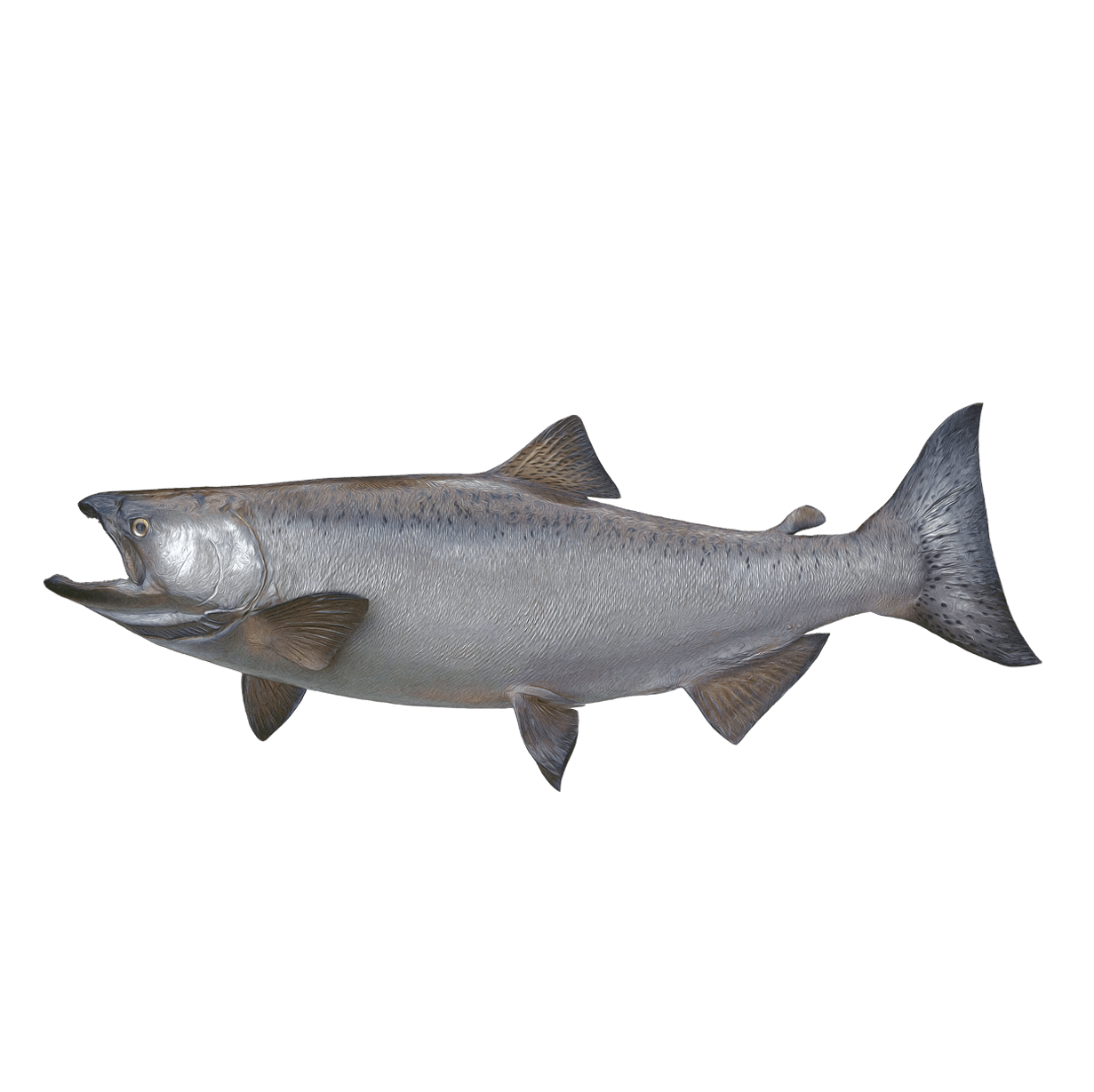
Native Fish
Measures the abundance, species diversity, species composition, and distribution of native fishes in the San Francisco Estuary
Ridgway's Rail
Tracks Ridgway’s Rail population density in tidal marsh habitats of the San Francisco Bay (Under development)
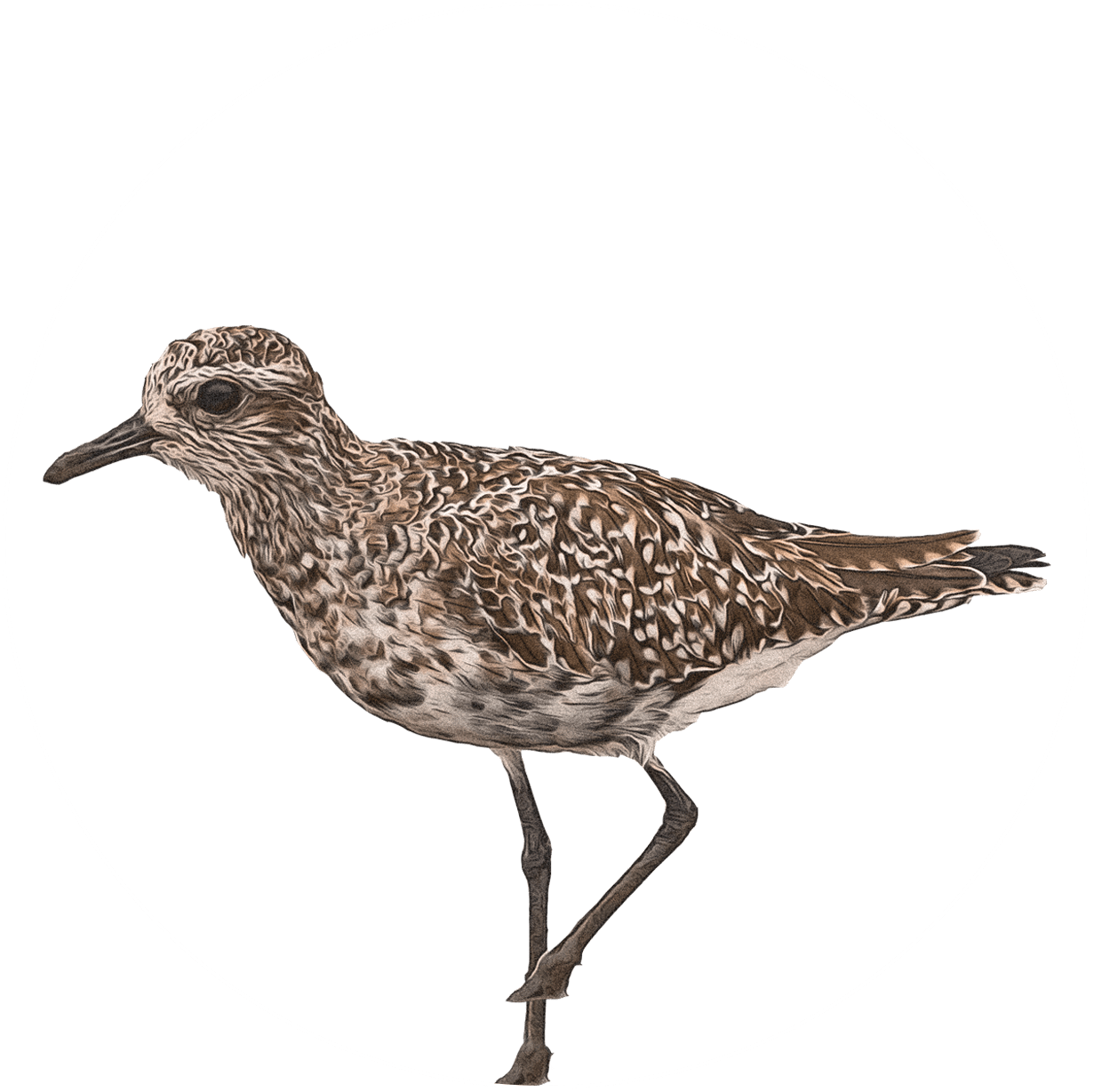
Shorebirds
Tracks winter densities of migratory shorebirds in the San Francisco Bay
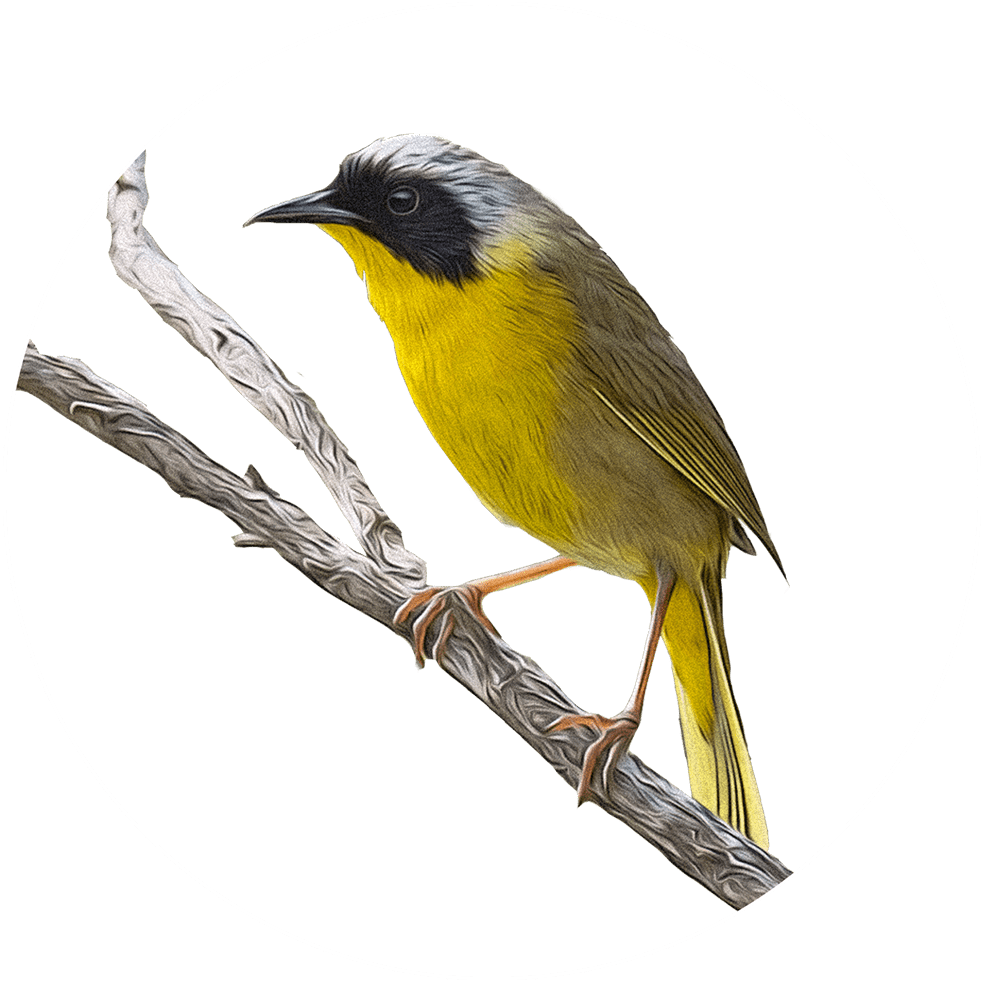
Tidal Marsh Birds
An index of breeding population density for three tidal marsh bird species in the San Francisco Bay
Waterfowl
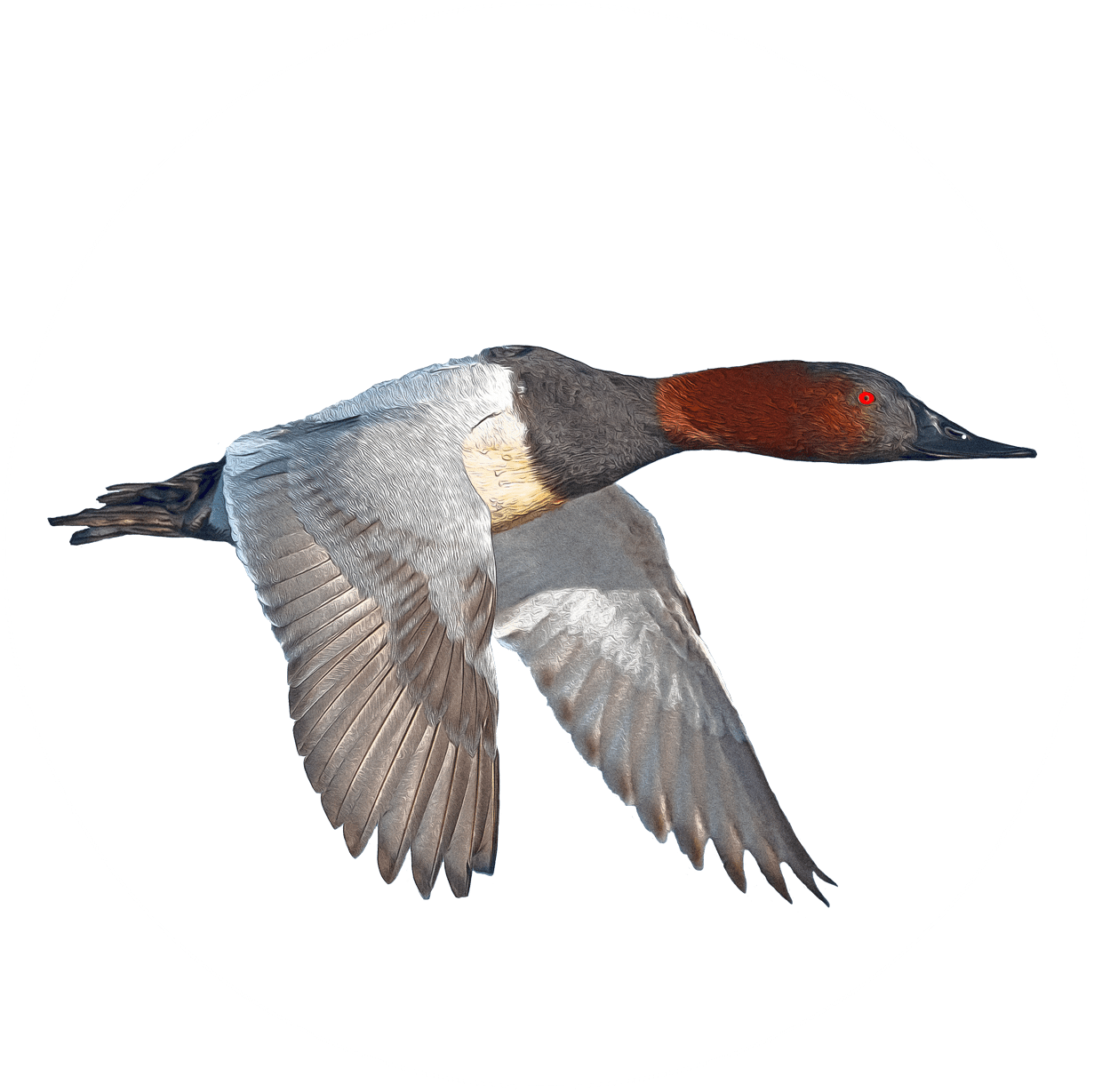
An index of winter abundance for dabbling and diving ducks in the San Francisco Bay
Wildlife Offer a Window into Environmental Risks and Opportunities
When wildlife isn’t flourishing, it signals that many of the services the Estuary provides to people—safe food, clean water, and resilience to environmental variability—are also at risk. Unaddressed declines in wildlife may lead to the disappearance of iconic species that define the region. Long-term measures of wildlife populations, as provided by this set of indicators, offer a chance to identify environmental risks and glean lessons from success stories. When wildlife populations rebound due to pollution reductions, well-planned management, or habitat restoration, it can yield inspirational roadmaps for future research, partnerships, and restoration.