
Harmful Algal Blooms
Tracks indirect measures of harmful algae concentrations via measurements such as chlorophyll, toxin, and nutrient concentrations
Harmful Algal Blooms can Hurt People and Kill Fish
Partial Update: October 2025

San Francisco Bay is one of the most nutrient-enriched estuaries in the world, largely due to treated wastewater. The Bay historically did not suffer much algal overgrowth, likely as a result of high sediment concentrations which limit light available in the water column. However, sediment concentrations in the Bay have been declining in recent years. In 2022, an unprecedented harmful algal bloom occurred that killed many fish. Harmful algal blooms can also pose a risk to human health. To prevent this from recurring, major upgrades to sewage treatment are underway to reduce nutrients in the Bay.

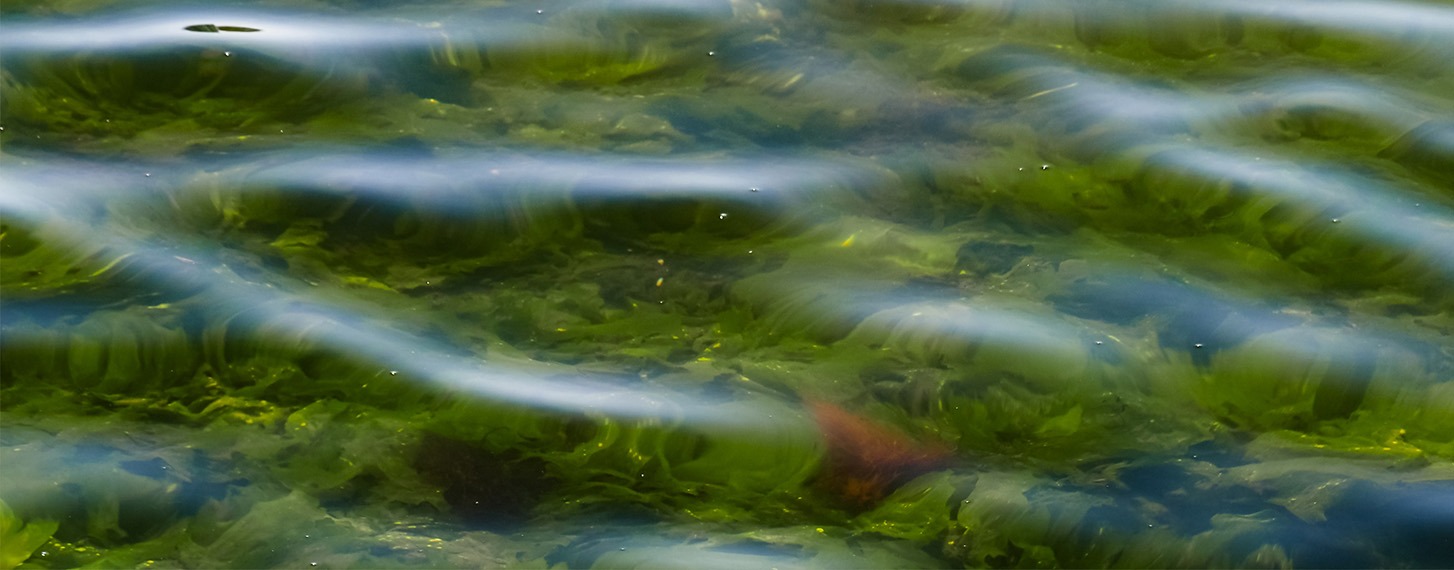

Lake Merritt. David Abercrombie, Flickr (CC BY-SA 2.0).
Spotlight
2022 Algal Bloom
A Record-Setting Event Reshaped the Bay’s Nutrient Management
Unprecedented Bloom
In July 2022, a bloom of the harmful plankton Heterosigma akashiwo spread across San Francisco Bay, turning the water murky brown and killing thousands of fish, including endangered sturgeon. It became the largest recorded phytoplankton bloom in the Bay’s history.
Widespread Impacts
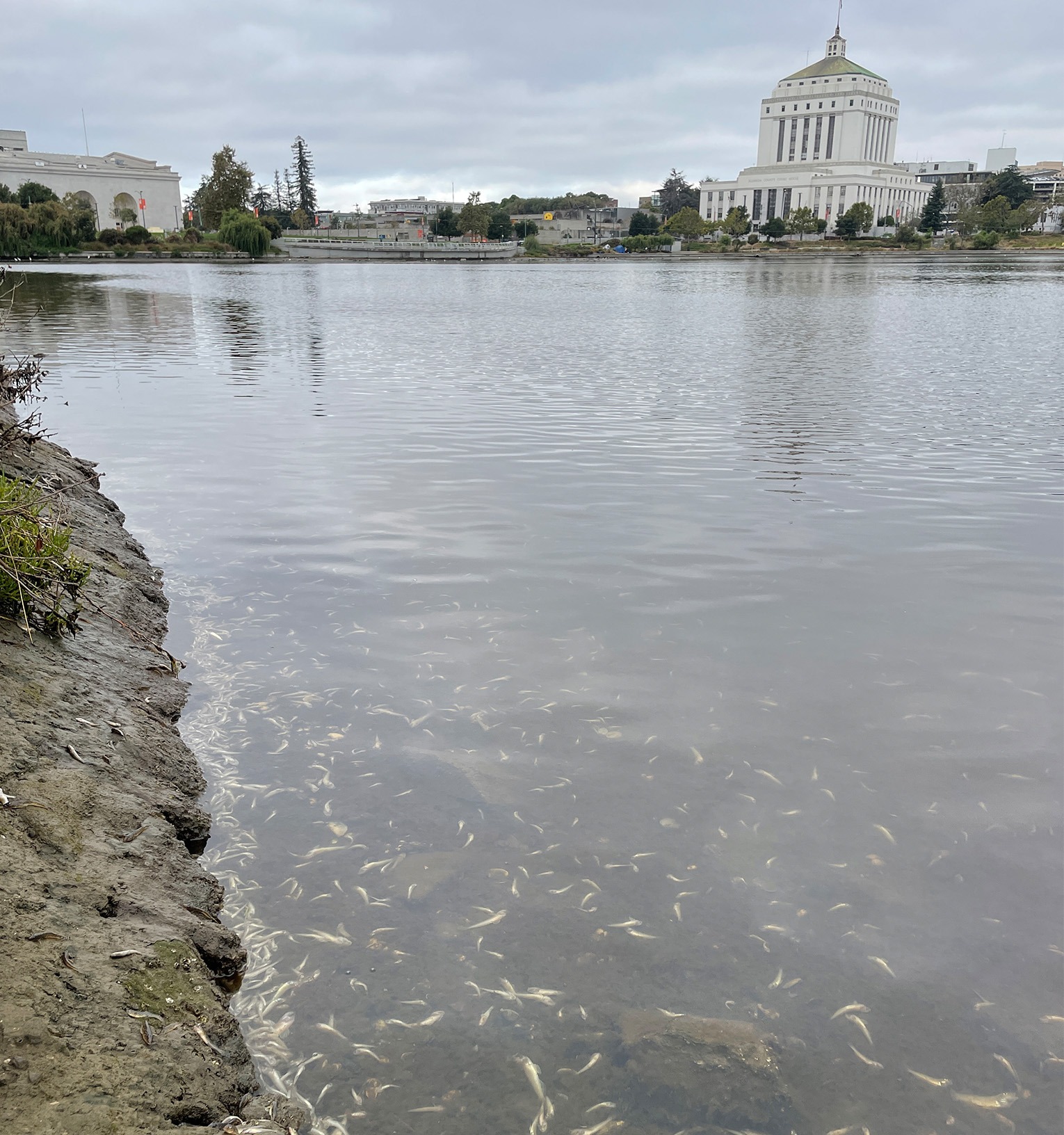
The bloom depleted nitrogen levels and later dissolved oxygen, triggering die-offs in areas like Lake Merritt. Though Heterosigma akashiwo is not directly harmful to humans, it made the water unsafe for recreation and left lasting effects on aquatic life.
A Wake-Up Call for the Bay
In response to the bloom, scientists and policymakers collaborated to develop new nutrient management strategies. Key among these are efforts to reduce nitrogen inputs from treated wastewater — aiming to prevent future blooms of this scale.
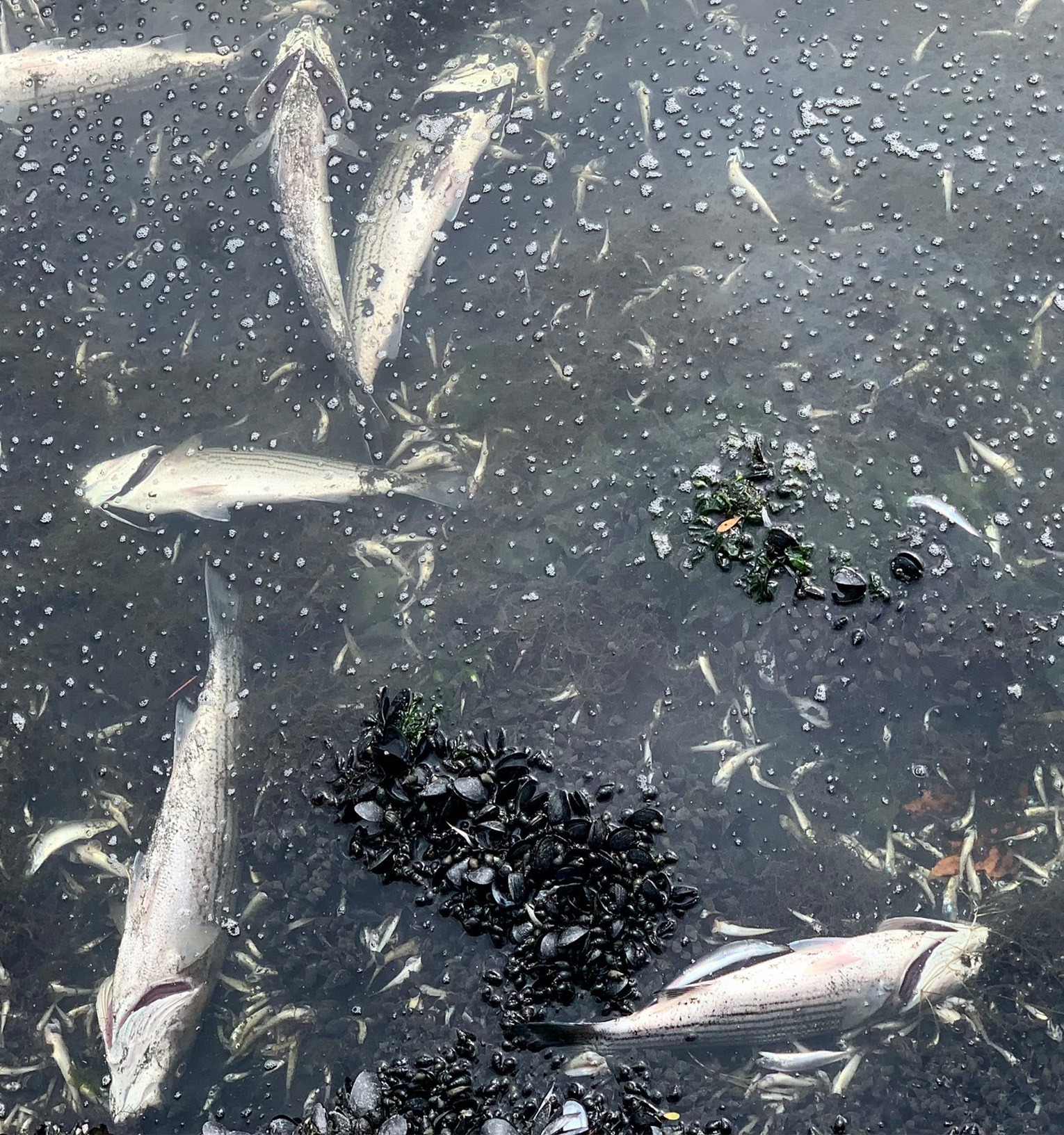
Dead fish rise to the surface of Lake Merritt after an algal bloom. Ingrid Taylor, Flickr (CC BY 2.0).
Related Indicators
Clean Water Category

Freshwater Flow
Measures the amounts, timing, and variability of fresh water flowing into the Estuary compared to the flows that would have occurred without dams and water diversions
Safe for Aquatic Life
Assesses concentrations of toxic pollutants in water and fish from the Bay
Contributing Scientists | Harmful Algal Blooms
Dan Killam, PhD, San Francisco Estuary Institute
Ariella Chelsky, PhD, San Francisco Estuary Institute
David Senn, PhD, San Francisco Estuary Institute